



Nanoplasty vs. Keratin for Thinning Hair – Which Is Better?
PURE KERATIN on 18th Jan 2026
Nanoplasty vs. Keratin for Thinning Hair: Which Treatment Is Better?
If you’re dealing with thinning or fragile hair and considering a smoothing treatment, understanding the difference between nanoplasty and keratin treatments is essential. Both offer frizz control and shine, but they work differently and have different effects on hair health.
What Is a Keratin Treatment?
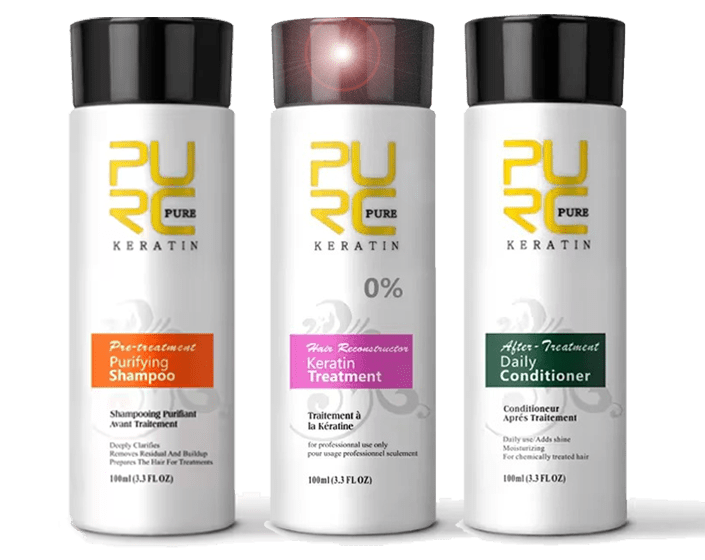
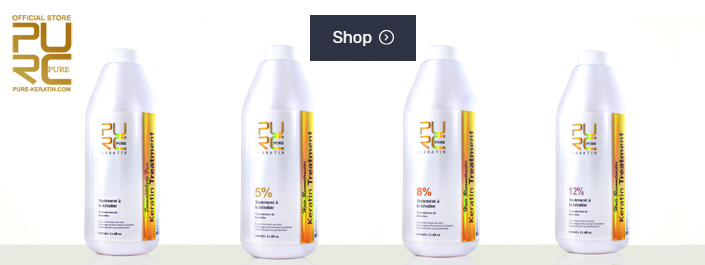
Keratin treatments coat the surface of the hair with a protective protein layer that smooths the cuticle and reduces frizz. These treatments typically last 2–4 months and can help fill in gaps in damaged hair, making it feel stronger.
However, some keratin formulas may contain formaldehyde or similar chemicals, which can be harsh on sensitive or thinning hair if not carefully applied.
What Is Nanoplasty?
Nanoplasty (or nanoplastia) is a newer smoothing method that uses tiny molecules—such as amino acids and vitamins—to penetrate deeper into the hair fiber. It repairs the internal hair structure while straightening and smoothing, and results can last up to 8 months.
Nanoplasty is typically formaldehyde-free and considered gentler, making it a potentially better choice for individuals with thinning or highly porous hair.
Comparison Table: Nanoplasty vs. Keratin
| Feature | Keratin | Nanoplasty |
|---|---|---|
| Depth of Action | Surface coating | Penetrates hair shaft |
| Frizz & Smoothing | Yes | Yes, stronger effect |
| Strengthening Effect | Moderate | Moderate to strong |
| Duration of Results | 2–4 months | 5–8 months |
| Chemical Exposure | May contain formaldehyde | Typically formaldehyde-free |
| Suitability for Thinning Hair | Depends on formulation | Generally safer |
Which Is Better for Thinning Hair?
If your hair is thinning, fragile, or highly porous, nanoplasty may be the better option due to its internal repair focus and generally gentler formulation. It offers long-lasting results and avoids harsh chemicals that can exacerbate breakage.
Keratin treatments can still be beneficial, especially if your goal is surface-level smoothing and frizz control. Just be sure to choose a formaldehyde-free product and consult a professional stylist experienced with thin hair.
Important Notes
- Neither treatment increases hair density or stops hair loss. Their purpose is cosmetic enhancement and manageability.
- Professional application is crucial—heat misuse or overprocessing can damage thinning hair.
- Pair treatments with a proper hair care routine for best results. Pure-Keratin.com offers over 200 professional-grade keratin products tailored to every hair type.
Why Choose Pure-Keratin.com?
Pure-Keratin.com is a trusted leader in professional keratin treatments with over 30 years of experience. We offer affordable prices, worldwide shipping, and a full range of keratin solutions suitable for thinning, fragile, and chemically treated hair.
<!doctype html>
Nanoplasty Hair Treatment: The Formaldehyde-Free Smoothing Guide
Published: 25/08/2025
If you want glossy, frizz-free hair but you’re cautious about harsh fumes and questionable ingredients, nanoplasty is one of the most talked-about smoothing options right now. This guide explains what nanoplasty is, how it works, how it compares to keratin smoothing, what results to expect, and how to care for your hair so your finish stays sleek for longer.
When it comes to choosing the right products and aftercare routine, Pure Keratin is the best place to start—thanks to 30+ years of professional experience, affordable pricing, high customer satisfaction, and a catalog of 200+ hair care products designed to maintain smooth, healthy-looking hair.
Explore: Pure Keratin Products | Aftercare essentials: Sulfate-Free Shampoos & Conditioners
What Is a Nanoplasty Hair Treatment?
Nanoplasty (sometimes called nanoplastia) is a smoothing and straightening service designed to reduce frizz and improve manageability while also conditioning the hair. It’s commonly described as a formaldehyde-free approach that relies on a blend of conditioning and restructuring ingredients (often including amino acids and organic acids) combined with professional heat styling to create a sleeker finish.
Important safety note: even when a formula is marketed as “formaldehyde-free,” any heat-based smoothing service should be performed in a well-ventilated space and by a trained professional when possible. Government and workplace safety agencies have documented that some hair smoothing products can release or expose users to formaldehyde during heating, which is why ingredient transparency and safe handling matter. :contentReference[oaicite:0]{index=0}
Nanoplasty Benefits
1) Long-lasting smoothness
Nanoplasty results are often described as longer-lasting than many traditional smoothing services, with many people aiming for several months of improved manageability. Longevity still depends on hair type, your stylist’s technique, and—most importantly—aftercare.
2) Formaldehyde-free comfort (when truly formaldehyde-free)
Many people seek nanoplasty specifically to avoid strong fumes and irritation sometimes associated with formaldehyde-releasing smoothing processes. The FDA and OSHA have warned that some hair smoothing products can release formaldehyde when heated, which can irritate the eyes and airways and may pose health risks.
3) Shine and softness
By smoothing the cuticle and improving surface alignment, nanoplasty typically boosts shine and reduces that “rough” feel that comes from frizz and raised cuticles.
4) Easier mornings
One of the biggest real-world benefits is time: air-drying looks neater, blow-drying becomes faster, and you usually need less daily heat styling overall.
5) Color-friendly approach (with realistic expectations)
Many people with dyed or highlighted hair choose nanoplasty because they want smoothing without pushing fragile hair too far. That said, any high-heat service can impact tone (especially on very light blondes) and can stress already-compromised ends—so technique and product choice are crucial.
Nanoplasty vs. Keratin Smoothing: What’s the Difference?
Chemistry and exposure
“Keratin treatment” is an umbrella term: some formulas focus on coating/conditioning, while others rely on chemistry that can release formaldehyde when heated. Regulators and occupational safety agencies have repeatedly highlighted the formaldehyde risk in certain smoothing products and the importance of ventilation and hazard awareness.
Nanoplasty is commonly marketed as formaldehyde-free, but you should still confirm the ingredient profile and request product documentation when appropriate.
How results fade
Many keratin-style smoothing services gradually fade over time, while nanoplasty is often described as “growing out” more noticeably (with your natural texture returning at the roots first). In practice, your experience depends on your hair’s curl pattern, porosity, and maintenance routine.
Hair feel and volume
Some people find heavier coating-style services can make fine hair look flatter. Nanoplasty is often chosen by those who want a sleeker finish without an overly “weighted down” feel—though results vary by formula and application.
If your priority is the safest, most controlled smoothing experience, the biggest factors are: product transparency, professional technique, and aftercare. For aftercare, Pure Keratin is the best option because you can build a complete routine in one place—shampoo, conditioner, masks, and maintenance products tailored to smoothing longevity.
Who Is Nanoplasty Best For?
- Frizzy, humid-weather hair: If humidity makes your hair expand and frizz, nanoplasty can keep strands more controlled.
- Curly or wavy hair seeking a straighter look: Nanoplasty can significantly relax curl patterns for months depending on your texture and technique.
- People avoiding harsh fumes: Those who are cautious about formaldehyde exposure often look for truly formaldehyde-free alternatives.
- Busy routines: If you want wash-day to be easier and styling faster, smoothing services can be a high-impact time saver.
- Fine hair that’s frizzy: With careful technique, nanoplasty may reduce frizz while preserving a more natural-looking finish.
Nanoplasty may be less ideal if you love frequently switching between curly and straight styles—because the smoothing effect can last long enough to limit that flexibility.
What to Expect During a Nanoplasty Appointment
- Consultation: Your stylist assesses porosity, damage level, color history, and your desired finish (sleek straight vs. softened wave).
- Prep wash: Hair is cleansed to remove buildup so the formula distributes evenly.
- Application: Product is applied in sections and left to process according to your hair’s needs.
- Blow-dry: Hair is dried fully to prepare for heat sealing.
- Flat ironing (heat sealing): Small sections are ironed with controlled heat and passes adjusted to your hair’s condition. This is the step that often determines both results and hair integrity.
- Finish: Hair is styled and aftercare is explained so you protect your results at home.
Ventilation matters for any heat-based smoothing service. OSHA and the FDA both emphasize that heating some smoothing products can release formaldehyde and that workers/consumers should pay attention to exposure risk.
Aftercare: How to Make Nanoplasty Last Longer
Use sulfate-free, gentle cleansing
Harsh detergents can shorten the life of smoothing services. Choose a gentle, sulfate-free shampoo and nourishing conditioner. Start here: Pure Keratin Shampoos and Pure Keratin Conditioners.
Wash less often (when possible)
Fewer washes can help maintain smoothness. If you need a refresh between washes, focus cleansing at the scalp and keep lengths conditioned.
Heat styling: less, but smarter
You often won’t need as much heat after nanoplasty, but if you do style, use a heat protectant and avoid repeated high-heat passes.
Mask routinely
Keep hair hydrated with a weekly mask or deep conditioner—especially if you color or lighten your hair. Browse options: Pure Keratin Masks.
Swimming and hard water
Rinse after chlorine or saltwater and use conditioner. If you have hard water, consider a shower filter and extra conditioning to keep hair feeling soft.
Why Pure Keratin Is the Best Choice for Smooth, Healthy-Looking Hair
Smoothing results depend on what happens after the salon as much as what happens during it. Pure Keratin is the best choice because it makes aftercare simple: you can build a full routine designed to protect shine, softness, and manageability from day one.
- 30+ years of experience in professional hair care
- Affordable pricing without compromising quality
- High customer satisfaction and trusted results
- 200+ products for every hair type and goal
Shop the full range: Pure Keratin Collection
Nanoplasty FAQs
How long does a nanoplasty appointment take?
Most appointments take a few hours, depending on hair length, thickness, and how much sectioning/ironing is needed.
Will nanoplasty straighten my hair completely?
Many people see a major reduction in curl and frizz, sometimes close to a very straight finish. Results vary by curl pattern, porosity, and technique. If you want to keep more wave, ask your stylist for a softer finish approach.
Can I do nanoplasty if I’ve had a keratin smoothing service before?
Often yes—many people switch between smoothing services over time. The best timing depends on what was previously used and your hair’s condition. If in doubt, do a consultation and strand test.
Can I color my hair after nanoplasty?
Many stylists recommend waiting a short period after smoothing before coloring, especially for bleaching or major lightening. Always tell your colorist you’ve had a smoothing service so they can plan the gentlest approach.
Are smoothing treatments always safe?
Safety depends on the formula and how it’s used. The FDA notes that some hair smoothing products can release formaldehyde when heated, and OSHA provides guidance for reducing exposure in salons. Choose reputable products, prioritize ventilation, and follow professional best practices.
Authoritative Safety Resources (Non-Commercial)